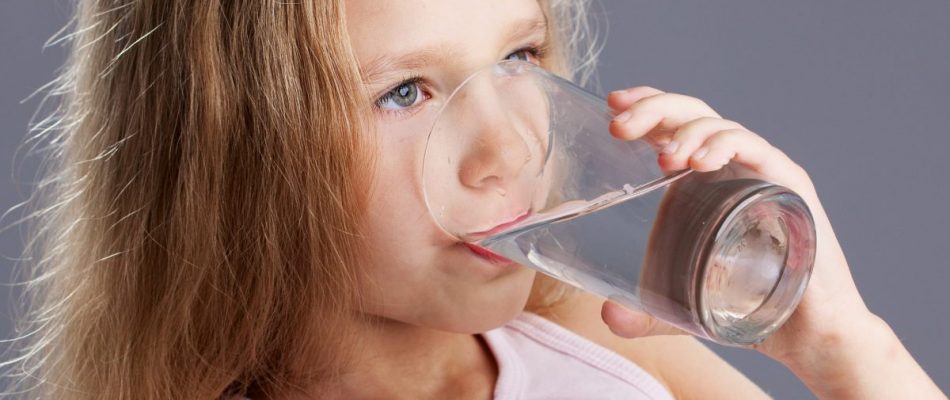
Defense for Children and the Dutch Lawyers Committee for Human Rights are taking the Dutch state and public water companies Dunea and PWN to court. In the Netherlands, families with children are disconnected from water if the parents have not paid the water bill. This violates children’s rights and human rights enshrined in the UN Convention on the Rights of the Child and the European Convention on Human Rights. Children cannot help it if their parents cannot pay the bill. Yet the Dutch government and public water companies, such as Dunea and PWN, refuse to stop cutting off children from water. Mariëlle Bahlmann, legal advisor for juvenile law at Defense for Children: “We find this incomprehensible. Water is indispensable for a child’s life and health. We ask the court to prohibit children from being cut off from water.”
Harmful consequences
Water is a basic need that is essential for children to live and develop healthily. This is also confirmed by the World Health Organization, which states that 50 to 100 liters of water per person per day is needed to meet basic needs and prevent very serious health problems. Limited access to water for consumption and hygiene, and thus shutting off water altogether, can result in several diseases, including diarrhea and dehydration, as well as infectious diseases. It also became painfully clear during the coronavirus outbreak that clean water and hygiene measures are vital. In addition, lack of water impacts children’s mental development and development by, for example, dropping out of school due to illness or embarrassment because the child cannot wash.
Responsibility
Bahlmann is concerned about water shutoffs in children and what this means for children’s health and development. “Children need extra protection because of their vulnerability. Governments must therefore put the best interests of the child first when making and implementing policies.” Children’s right to water is such an important right that governments must ensure that every child retains access to clean drinking water, even if parents cannot pay the bill. When children are nevertheless cut off from water, this constitutes impermissible discrimination under the UN Convention on the Rights of the Child.
Shut-off policy and water bag
In 2018, the amended small consumers’ disconnection policy regulation came into effect. Under this regulation, households can be disconnected from water. Only vulnerable consumers for whom water disconnection poses serious health risks are excluded from water disconnection. Children are not identified as vulnerable consumers in the disconnection scheme. Since this regulation has been in place, households that are cut off from water if they request it are given a water bag containing 12 liters of water per person to get through the first four days. Specifically, a child disconnected from water has access to 3 liters of water per day. This is well below the 50 to 100 liters of water each person needs per day according to the World Health Organization.
Solution
That access to sufficient clean drinking water is a child’s right does not mean that water should be free. Payment and supply can be split. A possible solution, therefore, would be to keep the water supply available in the event that children are at stake, while the water company’s claim against the parents remains. After all, this already happens to vulnerable consumers with serious health risks who would otherwise be disconnected.
Read more here.