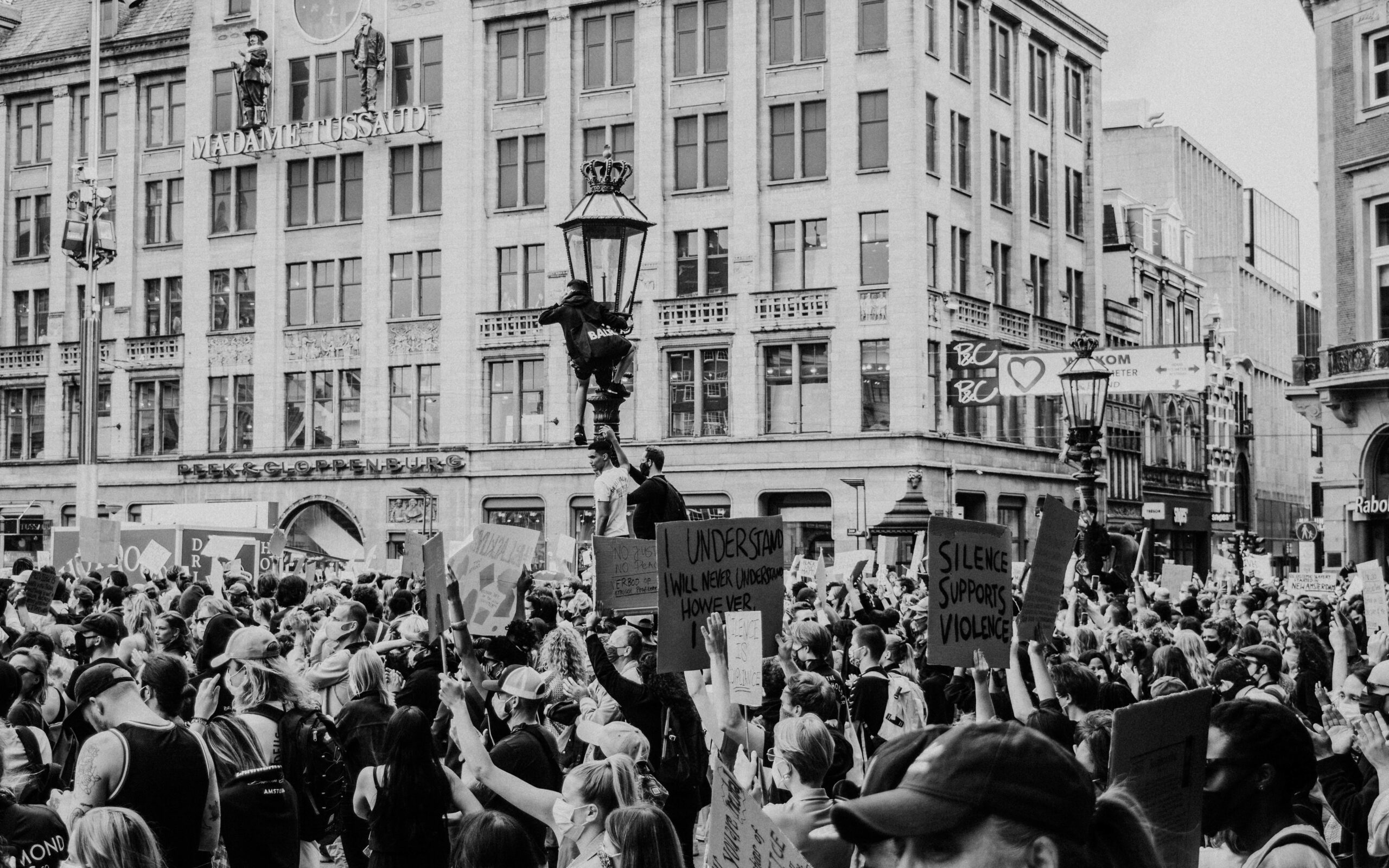
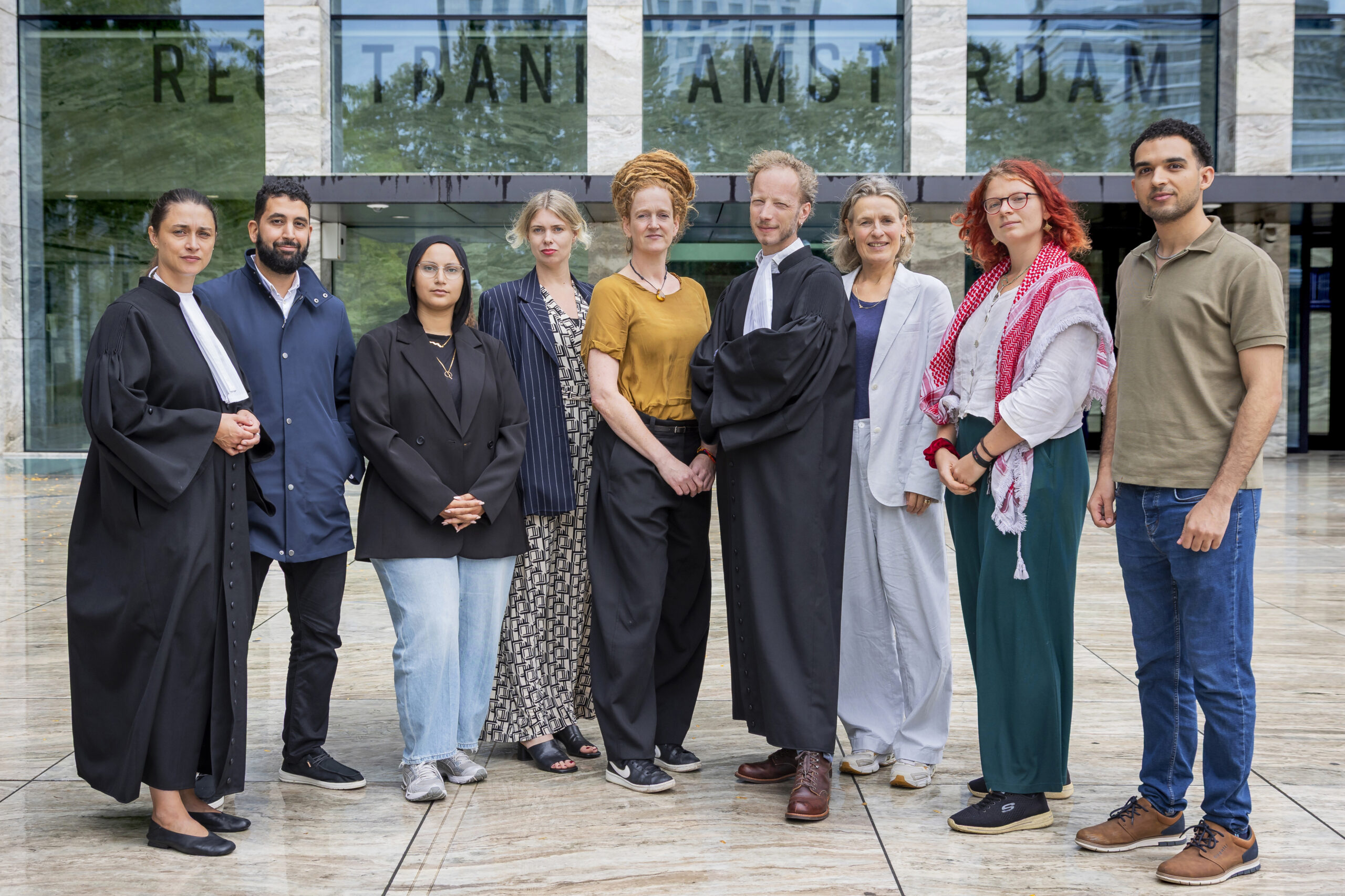
This week we had a hearing at the Amsterdam District Court regarding the admissibility of the cases brought by Amnesty International Netherlands and six individual claimants concerning the right to demonstrate.
These proceedings concern a very serious violation of a fundamental human right: the right to demonstrate. According to Amnesty, the local authority violated the right to demonstrate by imposing a blanket ban on demonstrations for six days in 2024 through two emergency by-laws. Such a ban poses a threat to the rule of law, as it prevents people from expressing their views in public and from collectively drawing attention to social issues. Furthermore, such a ban has a ‘chilling effect’: it may deter people from exercising their right to demonstrate.
But before we can discuss that, it must first be clarified whether Amnesty and the individual claimants actually have access to the civil courts. This assessment has become more complex, time-consuming and costly following the introduction of the WAMCA. Among other things, the following issues were addressed prior to and during the hearing:
- Are individual claimants permitted to bring proceedings at the same time as Amnesty’s collective action (is subjective joinder also permitted under the WAMCA)?
- Do individual claimants have a sufficient interest in their claims if they are also members of Amnesty (Section 3:303 of the Dutch Civil Code)?
- Was there a legal remedy available before the administrative court that offered effective legal protection, or are the claimants entitled to bring proceedings before the civil court? Does it make a difference in this regard that one other member of the public lodged an objection regarding a demonstration whilst the ban on demonstrations was in force?
On 30 September 2026, just over a year after the summons was filed, our clients will find out whether they are permitted to proceed with legal action regarding the violation of the right to demonstrate.