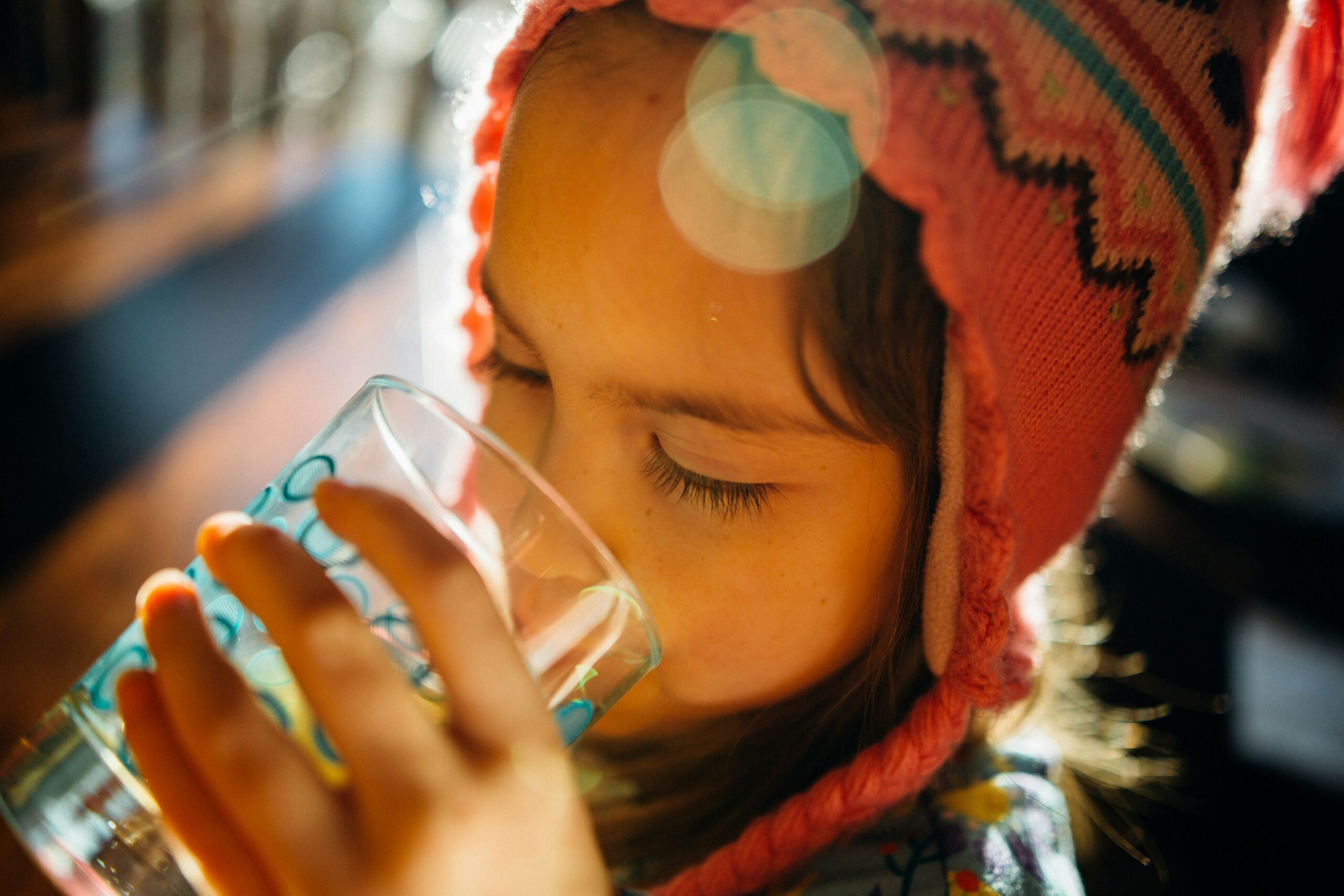
Historic ruling: Dutch state and drinking water companies must stop cutting off drinking water to families with children

Bekijk alles
March 19, 2024
News items
Previous
Next

The Dutch government’s policy of disconnecting children from drinking water in the event of non-payment is unlawful. The Dutch State and drinking water companies PWN and Dunea deliberately left open the possibility that children, through no fault of their own, find themselves in a situation with far too little access to drinking water. This is what the court in The Hague ruled.

Minor children in the Netherlands are cut off from drinking water if their parents do not pay the bill. Defence for Children and the Dutch Section of the International Commission of Jurists (NJCM) filed the case, because water cuts among families with children are contrary to the UN Convention on the Rights of the Child. They were assisted pro bono by lawyers from PILP and De Brauw Blackstone Westbroek.

Right to water

The court rules that children have an independent right to access to drinking water. By not making the best interests of the child the primary consideration in the ‘Disconnection Policy for Small Users of Drinking Water’, the Dutch State has acted unlawfully. The court orders the State to take measures to ensure that children no longer end up in situations where they do not have enough access to drinking water. Drinking water companies Dunea and PWN are both prohibited from cutting off the drinking water supply to underage children. In addition, they must reconnect the water supply to families with children to whom the drinking water supply is not cut off.

No child without water

The organizations are pleased with the ruling. “This ruling is historic,” said Mirjam Blaak, director of Defence for Children. “Recognizing the independent right of children to access water is a right step.” Kavita Hira, president of the NJCM, said: “With the recognition of this fundamental right for a child, a foundation has finally been laid to put an end to this degrading practice of water disconnections.”

The judgement can be found here.


Tags: ,
Previous
Next
Actueel

Gerelateerde berichten

climate climate change
May 28, 2026 Climate change

Two climate activists from Heerlen take their case to the UN Human Rights Committee over restrictions on peaceful protest

Today, two climate activists from Heerlen have launched a case against the Netherlands at the UN Human Rights Committee. The case concerns restrictions imposed by the municipality of Heerlen in March 2021 on a peaceful demonstration against the climate crisis. Following the Dutch court’s decision to uphold a number of significant restrictions, the organisers of […]

Islamophobia Mosque
February 11, 2026 Islamophobia en surveillance

Dutch Data Protection Authority Fines 10 Municipalities for Illegally Processing Information on Muslims

The Dutch Data Protection Authority (Autoriteit Persoonsgegevens, AP) has imposed fines totaling €250,000 on ten municipalities. The reason is that they processed files containing sensitive information about Islamic residents without the residents’ knowledge. In doing so, the municipalities violated the General Data Protection Regulation (GDPR). They were not authorized to possess this information. The municipalities […]

Delft Islamophobia Mosque
February 11, 2026 Islamophobia en surveillance

Delft Council apologises to Al-Ansaar Mosque

PILP has assisted the Al Ansaar mosque in recent years in legal proceedings concerning a secret investigation commissioned by the Municipality of Delft and carried out by the research and consultancy firm Nuance door Training en Advies (NTA). On 12 February 2025, the District Court of The Hague ruled that the Municipality of Delft had […]

1 2 3 35 36 37
Gerelateerde berichten

Our Dossiers

Our Dossiers

Support our work

PILP is the legal ally of civil society organizations, movements, communities, and activists dedicated to human rights. Your donation enables us to continue providing this service.