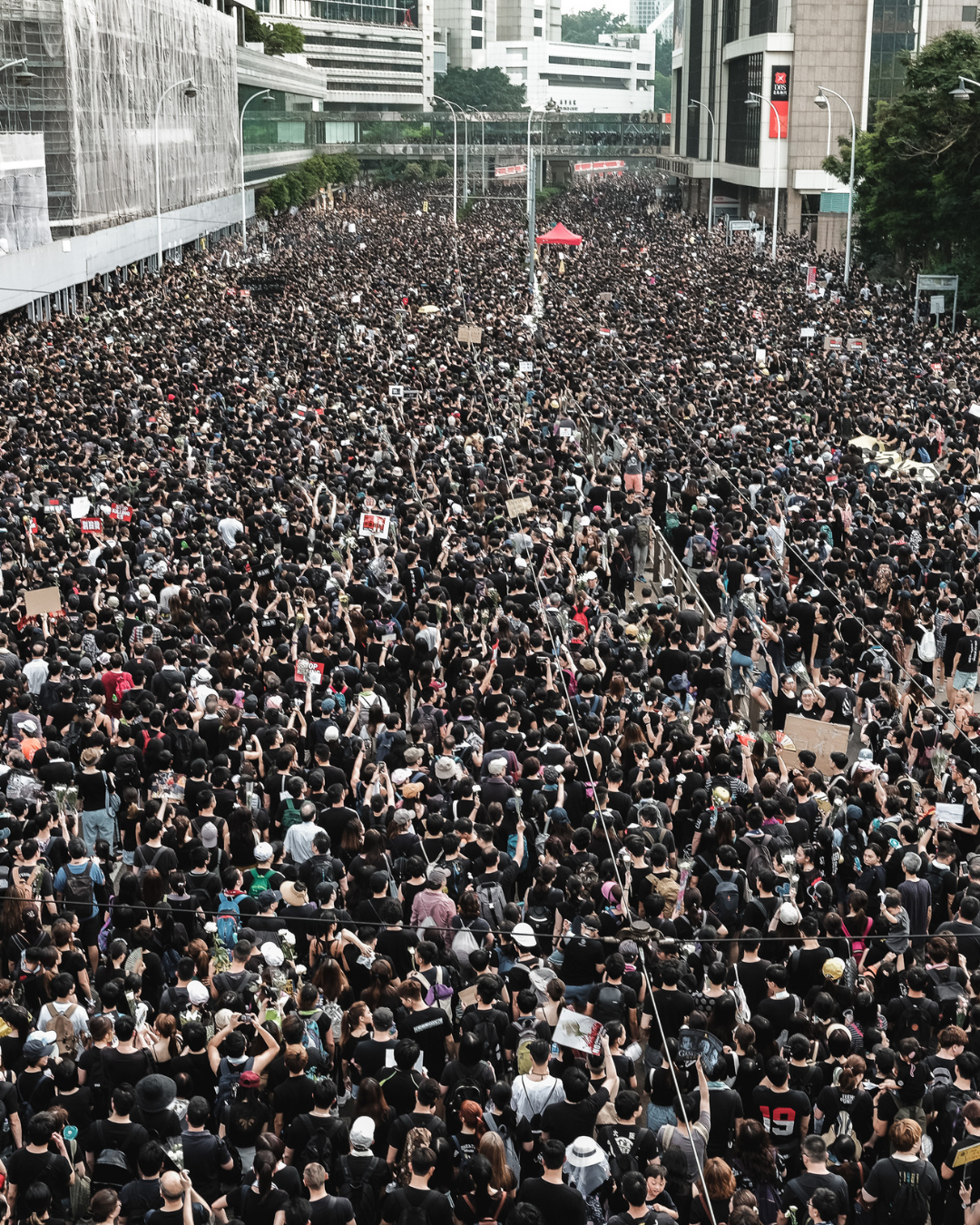
On 5 October 2025, the third Red Line demonstration took place in Amsterdam. The demonstrators called on the Dutch government to take action against Israel to stop the genocide in Gaza. It The protest was peaceful, with participants exercising their constitutional right to freedom of assembly and demonstration. There was no violence, vandalism, or disorder of any kind. During this peaceful protest, the police filmed protesters using advanced cameras.
These cameras can capture sharp images over very long distances and use an integrated AI processor for automated analysis, including motion and object detection, as well as marking facial features. The footage is retained for twenty-eight days. In interviews with the National Ombudsman, the police indicated that they apply facial recognition to the footage retrospectively in cases where a criminal offence is suspected forinvestigative purposes.
PILP is assisting a protester in filing a complaint with the National Ombudsman against the police regarding their improper and disproportionate use of cameras during a peaceful demonstration. Camera surveillance at peaceful demonstrations violates the right to privacy, freedom of speech, and the right to protest. This is because there is no legal basis in our national law governing camera surveillance, even though human rights standards require one. Camera surveillance at a peaceful demonstration also has a chilling effect on demonstrators and is neither necessary nor proportionate. Furthermore, the police were not transparent about the filming, even though they should have been. There were no warning signs, and protesters were not informed of the legal basis, the purpose, or the retention period of the footage. This lack of transparency can also have a deterrent effect, because people do not know whether they are being monitored.
The police did not address the complaint. Therefore, a complaint is now being filed with the National Ombudsman.